

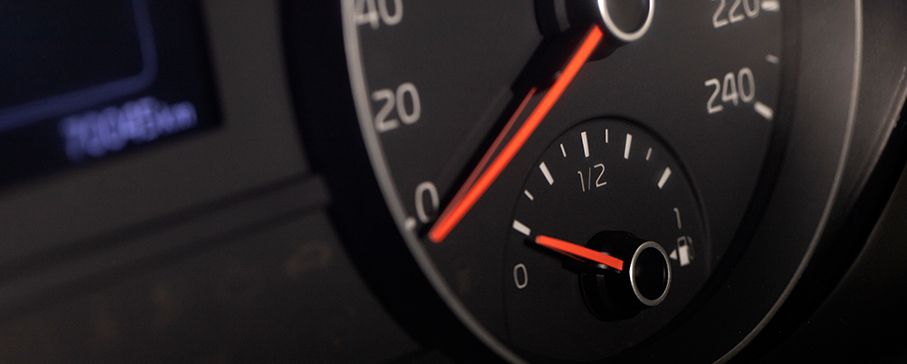
Fuel Tanks on WAVs – What to Be Aware Of
Wheelchair Accessible Vehicles (WAVs) are specially adapted to make everyday travel easier and more inclusive — but those adaptations can sometimes mean certain features differ from standard vehicles. One of the lesser-known changes? The fuel tank.
Whether you're a first-time WAV buyer or looking to upgrade your current vehicle, understanding how WAV conversions affect the fuel tank is an important (and often overlooked) part of the decision-making process.
Why Might a WAV Have a Different Fuel Tank?
When a vehicle is converted into a WAV, particularly for ramp access or lowered floor configurations, the structure of the floor is modified. In many cases, the original floor is lowered to create enough headroom and space for a wheelchair to enter and be safely secured. But that change underneath the vehicle can impact where the original fuel tank was positioned.
To make room for the conversion, the tank may be:
1. Smaller in size (to physically fit into the new space).
2. Relocated to a different position entirely.
3. Or in some cases, replaced with a custom-shaped tank designed to work around the new floor layout.
Things to Keep in Mind as a WAV Owner
While these changes don't affect every WAV, it’s good to know, especially if you're used to regular fuel range and refuelling habits.
Here are a few key things to be aware of:
1. Reduced Fuel Capacity
If a smaller tank has been fitted during the conversion, you may find that you need to fill up more often than you're used to. For people who do long-distance journeys, this is worth factoring into your plans.
2. Fuel Gauge Accuracy
Some converted vehicles may show slightly inaccurate fuel readings, especially if the original gauge wasn’t recalibrated perfectly for the new tank. While this isn’t always the case, it’s a good habit to avoid running the tank too low, keeping at least a quarter tank as a buffer is a smart move.
3. Tank Location Awareness
If the tank has been relocated, your fuel filler cap will usually stay in the same place — but the physical tank itself may be somewhere different underneath the vehicle. This generally doesn’t affect day-to-day use, but it’s helpful info if you're ever having work done or facing a breakdown.
Choosing the Right WAV for Your Needs
When browsing for a WAV, it’s worth asking about the size and layout of the fuel tank — especially if you’re someone who drives regularly or covers long distances. Most dealers (including us) are happy to help clarify whether a vehicle has had the fuel tank altered, what its typical range is, and how accurate the gauge is.
Even if those details aren’t available immediately, a reputable WAV supplier can usually find out from the company that performed the conversion.
Final Thoughts
WAVs are life-changing vehicles designed to put independence and comfort first. But they also come with a few quirks worth knowing about, and the fuel tank is one of them.
By being aware of these small differences, you can choose a WAV that fits not only your accessibility needs, but your everyday lifestyle too.
Would you like help choosing the right WAV for your needs?
Our team is happy to talk you through your options — just give us a call or drop us an email.