

12 top tips for looking after your used wheelchair accessible vehicle 2021
The following tips will help you sustain the efficiency of your wheelchair accessible vehicle (WAV) and benefit you in the long run, especially when you need to sell or part-exchange it for another one.
1. Look after the ramps
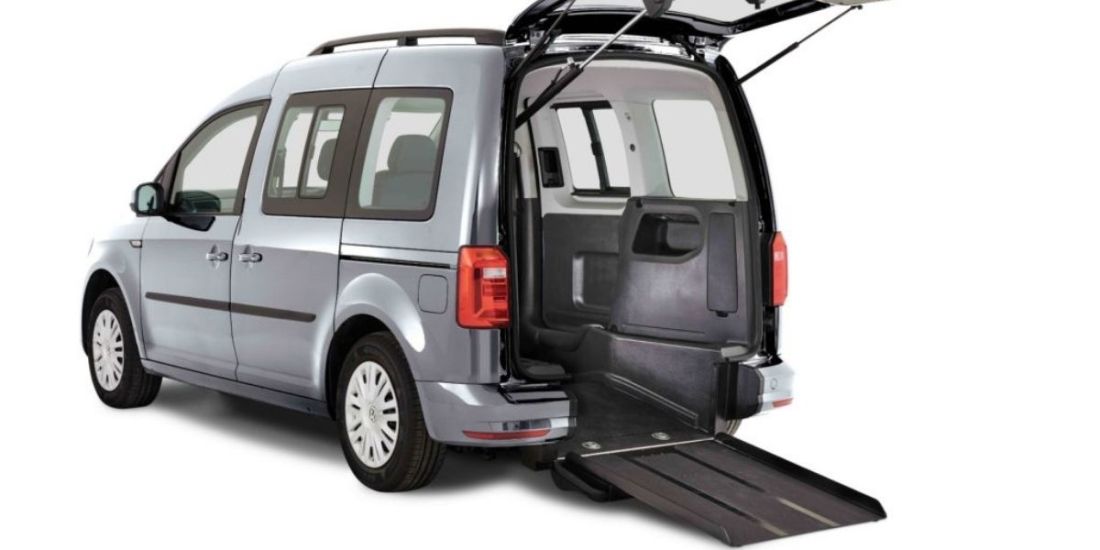
Ramps are vital for a wheelchair accessible vehicle. The ramp makes the van a WAV after all, so the ramp needs to be kept in prime working condition. Otherwise, it will become redundant, and you don’t want that.
Depending on your requirements and the type of wheelchair accessible vehicle you have, the ramp might be electric or manually operated. Either version of the ramp should be checked frequently for any wear or tear, damage, dirt build-up, faults, and oiled as required.
2. Use and maintain restraints/tiedowns
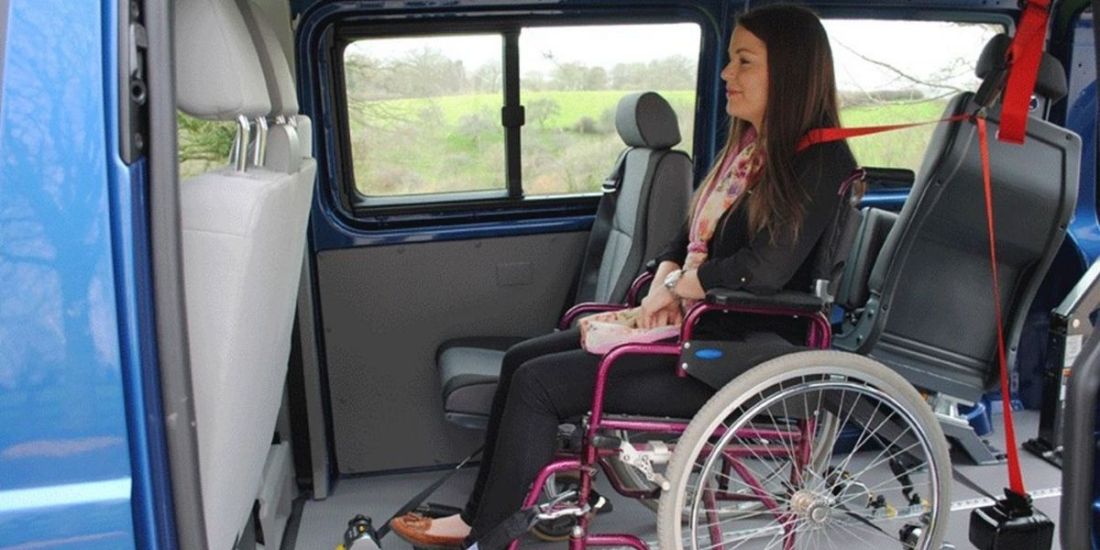
It is essential for safety and legal requirements that passengers wear seatbelts when travelling in any vehicle, and that also goes for wheelchairs. You must always ensure your wheelchair is secured once inside your wheelchair accessible vehicle, and wheelchair restraints ensure your wheelchair is safely tied down to prevent accidents.
It’s essential to clean the restraints regularly as a build-up of dirt can affect how it works and lead to defects. Monitor signs of wear and tear and replace the belts if they are becoming damaged.
3. Maintain your van's battery

If you do not use your vehicle for long periods, the battery will degrade and eventually go flat.
Perhaps contemplate using a trickle charger to keep the battery topped up if your van is kept in a garage for an extensive amount of time or a battery conditioner if it appears to hold less charge than usual.
If your battery has gone flat, jump-starting the van may put additional strain on the vehicle's battery and could harm the engine management system and other fragile electronics: a double-whammy of increased wear.
To care for your battery without having to use a trickle charger, you should try to drive your WAV at least once a week if possible – especially in winter.
4. Use your air-conditioning
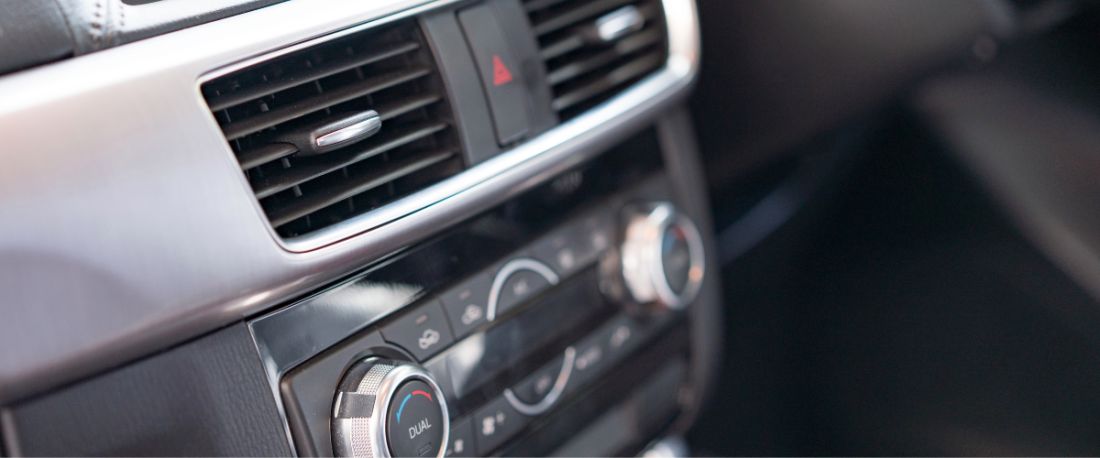
‘Use it or lose it’ is a phrase that could be applied to air conditioning.
Air-con systems inevitably leak refrigerant gas over time, particularly if they aren’t used regularly.
Leaving your air-con off may save fuel, but you could end up with a bill for air conditioning gassing instead (often around £50, available at most garages and fast-fit centres).
And yes, that means occasionally letting your vents blow cold in winter, too.
5. Top up fluids
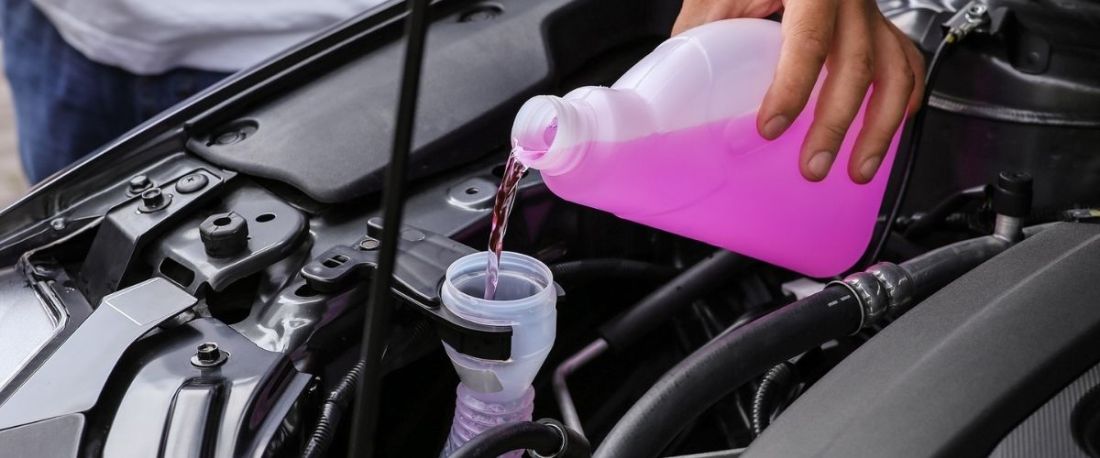
Fluids are your WAV's lifeblood, and neglecting to replenish them may have dire results.
Try to check your engine oil once a fortnight by opening the bonnet (with your van on level ground) and removing the oil dipstick. Give it a wipedown with a clean rag, then plunge it back in.
When you take the dipstick back out, the oil level should be within the minimum and maximum markers – and have a light yellowy-brown colour if your van has a petrol engine.
It would be best if you had any dark and filthy oil replaced as soon as possible. However, diesel engine oil collects soot as part of the standard combustion process, so dark-coloured oil is not a cause for concern with a diesel car.
On a fortnightly basis, you should also check the coolant reservoir and top it up with 50% distilled water and 50% antifreeze and the windscreen washer bottle. We advise using a shop-bought screenwash for the latter.
Please don't be tempted to use the washing-up liquid as it contains salt and other additives that could damage your van's paintwork.
6. Check your tyres regularly
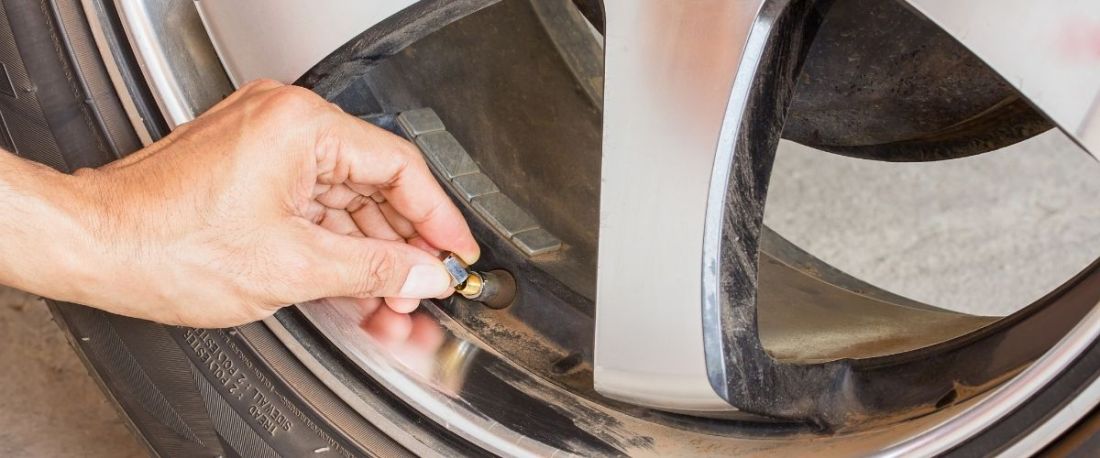
Tyres are one of your van's most crucial safety features, and it’s not an overstatement to say that checking them frequently – about once a fortnight – could save your life.
Under-inflated tyres not only impact your safety but also increase fuel consumption, so keep them topped up to the manufacturer's recommended pressures, as listed in your vehicle’s handbook, to save cash.
Watch this quick video for top tips from the police on how to check your tyres properly.
Please note that tyre pressures may vary for the front and rear tyres. Some motoring experts advise rotating your tyres (i.e. swapping the fronts to the rear, and vice versa) to even-out wear and lengthen tyre life.
However, in the interests of your safety, we suggest you use the least-worn tyres on the back axle, as loss of front grip (understeer) is much easier to manage than a rear-end slide (oversteer).
7. Stick to the service schedule

Keeping your WAV serviced regularly is vital for keeping your van in excellent condition and will help prolong its life.
Service intervals are based on time or the number of miles driven – once a year or every 10,000 miles, for example.
Check your van's handbook to determine when your vehicle is due for its next service and what work is required.
Many modern vehicles have warning lights on the dashboard to inform you when maintenance is needed, too.
You should budget for a ‘minor’ service once a year and have a ‘major’ service every two or three years.
A minor service includes changing the oil filter and the oil itself and replacing other fluids if necessary.
Depending on the van and its mileage, a major service may also cover the replacement of the spark plugs, air filter, and cambelt.
There are a variety of tasks included in even a minor service. However, all should have checks for fluid and oil leaks, tyre pressures and condition, extreme exhaust emissions, brake wear, and the correct operation of the steering, gearbox, clutch, suspension, lights, wipers and horn.
8. Use your brakes to decrease speed rather than shifting gears down
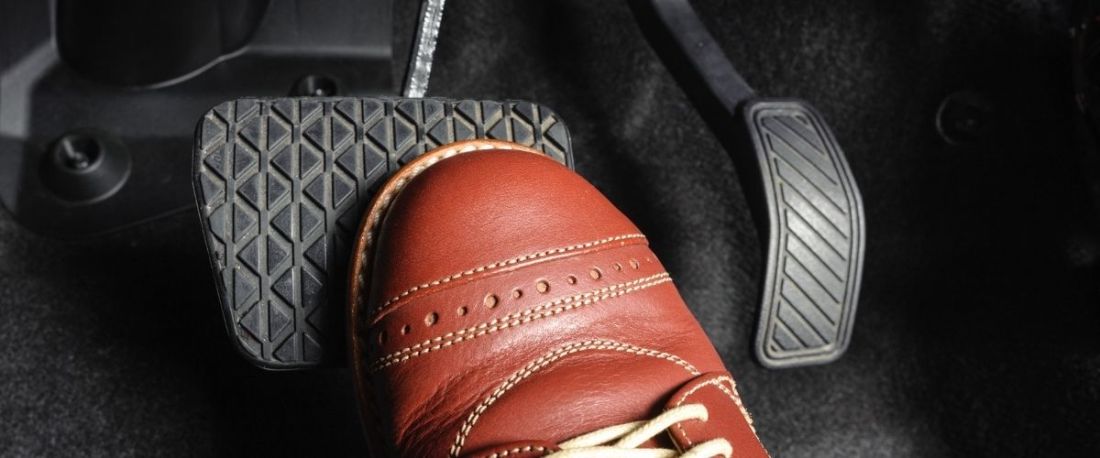
Shifting gears, or using engine braking to reduce your speed, can harm your drivetrain, particularly the clutch and transmission.
Using your gears to brake when travelling, especially at increased speeds, can reduce the lifespan of your engine. The damage will be even more detrimental if you shift down multiple gears.
When preventing damage to your gearbox, your brake pedals are your best friend and should be your first port of call when decreasing your speed.
9. Don’t run low on fuel
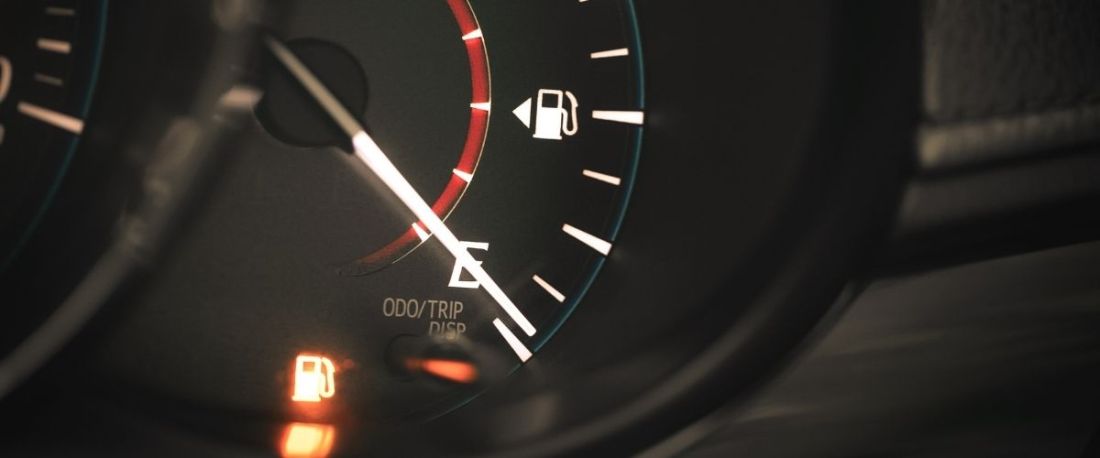
When you are running low on petrol or diesel, your fuel pump draws on air, debris and sediment found in the base of the fuel tank in an attempt to power your vehicle.
These unwanted materials can obstruct the system and eventually erode your pump and filters, possibly blocking fuel and stopping your van from starting.
Owners of diesel vehicles should be particularly wary of low fuel levels. The powerful injectors in their engines draw large quantities of air into the system, sometimes stopping the engine from turning over.
Keeping fuel levels high can avoid expensive repair bills further down the road.
10. Carry out routine checks on your WAV
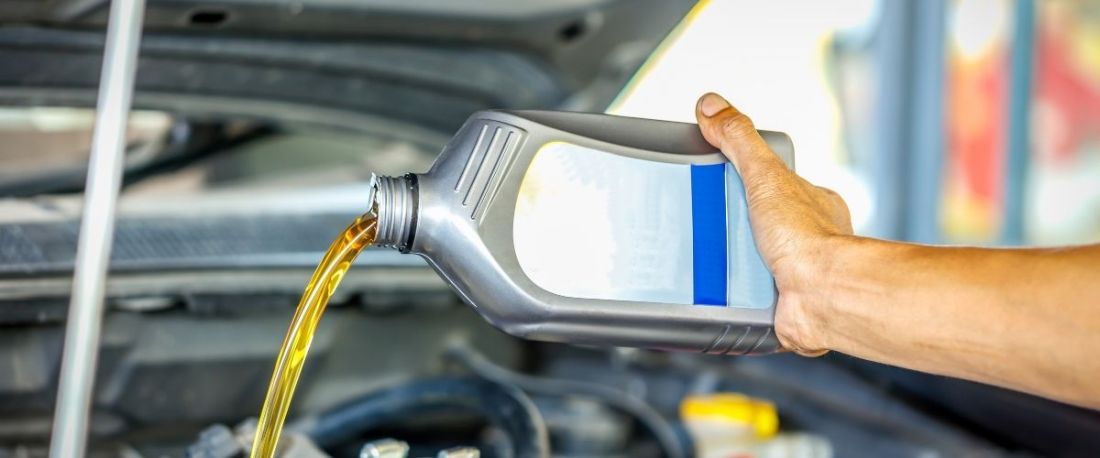
One of the most effective ways of adding to your WAV's lifespan also happens to be one of the easiest: carrying out routine checks.
We recommend using this list to checking these components regularly, perhaps every two weeks, as it will help flag any issues before they develop into costly repair bills:
- fuel
- oil
- rubber (tyres and wiper blades)
- coolant
- electrics
- screenwash
- engine air filter
- spark plug (petrol engines only)
- brakes
- air conditioning
- interiors
- exteriors
11. Avoid resting your foot on the clutch and your hand on the gearstick
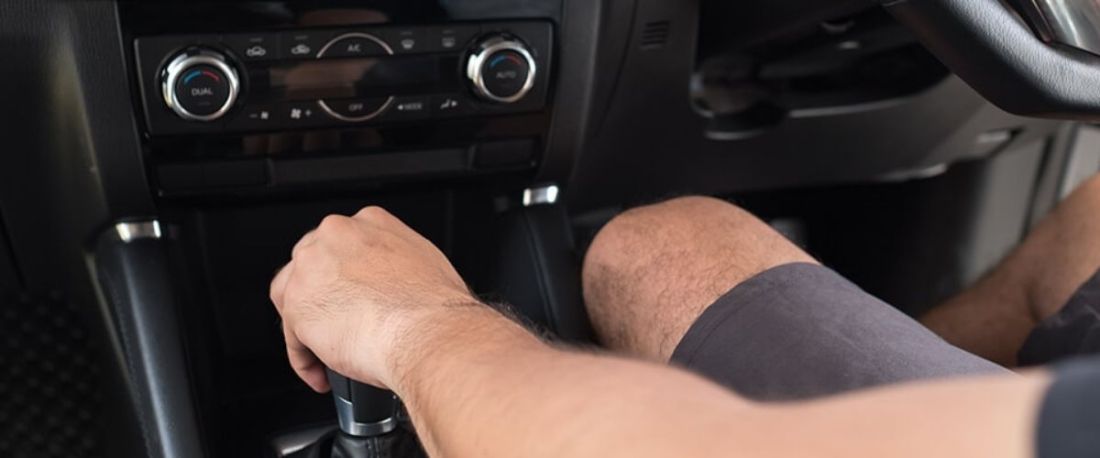
Some motorists are prone to driving with a foot resting on the clutch pedal. However, this pushes the clutch release bearing into contact with the clutch cover, leading to needless friction. Over time, this can wear out the clutch prematurely.
It is also tempting to rest your hand on your gearstick between gear changes, but this applies pressure to the selector fork and other internal components. The added friction increases wear and tear on the gearbox.
If possible, try to get into the habit of putting your hand onto the steering wheel and resting your left foot elsewhere in the footwell instead.
12. Look after your documentation
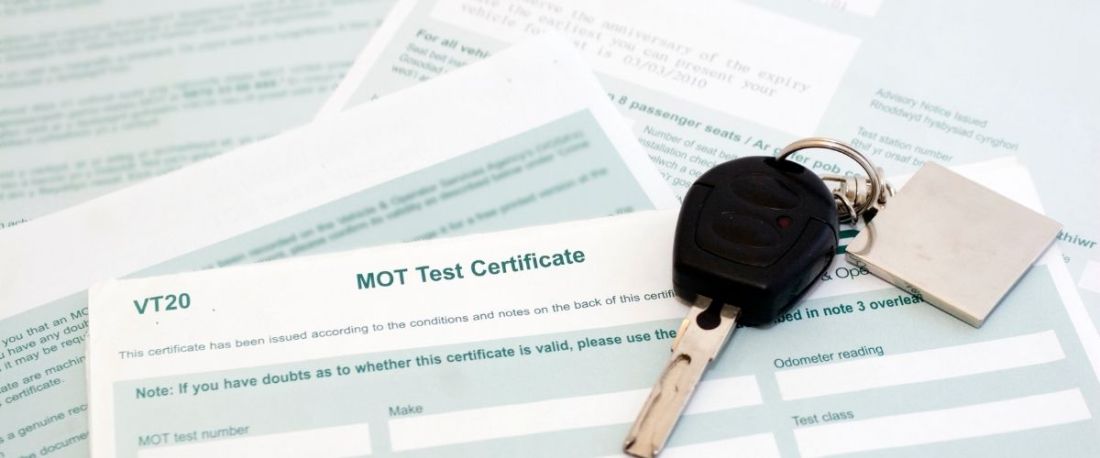
Try to keep all paperwork relating to your WAV in a safe place, so you know where to locate it. This is useful when it’s time to service, MOT or renew the lease.
Keep a list of emergency contact numbers for vehicle breakdown and recovery services in your smartphone and WAV just in case the unexpected happens.
Browse some of our other articles:
- Digital driving licences to be introduced
- Top tips for improving fuel efficiency
- Best apps for wheelchair users 2021
- Buying a used WAV
- Best accessible museums to visit in 2021
- Best accessible beaches to visit in 2021
- How to prevent your catalytic converter from being stolen
Browse our current used wheelchair accessible vehicle stock