

The Future of Disability Motoring: Trends & Predictions Related To Wheelchair Accessible Vehicles (WAVs)
Hey WavMob! Emma from MotaClarity here, back again on your platform. Today, we're exploring the exciting future of disability motoring and Wheelchair Accessible Vehicles (WAVs). So let’s take a look together at emerging trends, innovations and evolving policies that are reshaping the landscape of inclusive mobility.
Emerging Trends Shaping The Future Of WAVs
Electric & Smart Technology
A UK government report, Connected & Automated Mobility 2025: Realising the Benefits of Self-Driving Vehicles, highlights the growing emphasis on electric vehicles (EVs) and autonomous features respectively. In fact, the report states: “By 2025, the UK will begin to see deployments of self-driving vehicles, improving ways in which people and goods are moved around the nation and creating an early commercial market for the technologies.”
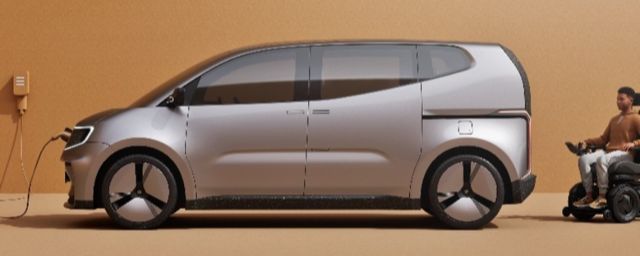
This trend extends to WAVs as well. Imagine a world where WAVs glide silently down the street on electric-only power, in turn helping to create a cleaner environment? An example is this revolutionary e-Vita concept from Motability Operations and CALLUM. Its innovative design embodies the future of WAVs, showcasing how EV technology can seamlessly integrate with features that enhance usability and comfort for disabled users. The e-Vita concept, with its potential for features like automated ramps and intuitive interfaces, demonstrates the possibilities of smart technology in WAVs.
Autonomous Vehicle (AV) Features
The prospect of autonomous vehicles (AVs) has ignited discussions about their potential impact on accessibility. A University of Cambridge course on autonomous driving technology reflects the ongoing development in this field. Companies across the pond like General Motors are already developing wheelchair-accessible robotaxis, as reported by Reuters.
Imagine a future where individuals can hail an AV designed specifically for their needs, travelling independently without having to rely on others. This technology, as mobility transportation specialist BraunAbility explains in this article, has the potential to revolutionise daily commutes, social outings and access to employment opportunities for many in the disabled community.
A research project conducted by the University of Warwick highlighted the benefits self-driving vehicles could provide for the disabled community. Dr Roger Woodman, Head of Human Factors at the University of Warwick, said: “Self-driving vehicles will open up driving to people that have never been on their own in a vehicle before. It has the potential to transform their lives – with reduced reliance on others to help them get from A to B. Driving is a very complex task to complete, so self-driving cars could enable someone with a disability, for example, cerebral palsy or tremors, to simply press a button and go.”
Integration With Public & Shared Transport Systems
In the future WAVs could seamlessly integrate with public transportation and shared mobility solutions, as discussed in an article by Automotive World. Imagine a WAV that can dock with charging stations or designated pick-up zones at train stations, seamlessly connecting to public transport networks. A real-world example of this integration is already happening in Paris, with a fleet of 50 wheelchair-accessible hydrogen taxis deployed by Stellantis and Hype. This type of collaborative effort between WAV manufacturers, public transport authorities and technology companies can create a more interconnected transportation ecosystem, offering users a wider range of travel options.
Challenges & Considerations On The Road To A More Inclusive Future
Regulatory Considerations & Policy Changes
Ensuring that AVs are accessible to individuals with disabilities requires clear and comprehensive accessibility standards. These standards should address aspects like user interfaces, boarding and disembarking procedures, and occupant safety features, as highlighted in the aforementioned University of Warwick research project. Advocacy groups like Disability Rights UK have consistently stressed the importance of considering accessibility needs in the development of AVs.
Addressing Potential Biases In AV Programming
There are concerns that AVs might be programmed with biases that could discriminate against disabled users. For instance, algorithms might prioritise shorter routes that lack accessible features like ramps or elevators, as cautioned in articles like this one from The Conversation. Robust testing and development procedures are crucial to mitigate these risks and ensure truly inclusive transportation for all.
We've covered a lot of exciting possibilities for the future of WAVs, but it's important to remember that these advancements need to be developed and implemented with accessibility at the forefront.
Thanks WavMob!
A big thank you to WavMob for allowing us to share these insights into the future of disability motoring. For more insightful disability motoring news and resources, please visit our website at www.motaclarity.co.uk.
References
- https://assets.publishing.service.gov.uk/media/62ff438c8fa8f504cdec92df/cam-2025-realising-benefits-self-driving-vehicles.pdf
- https://www.motaclarity.co.uk/news/revolutionising-inclusive-mobility-motability-operations-callums-next-gen-electric-wheelchair-accessible-vehicle-concept
- https://www.eng.cam.ac.uk/news/new-information-engineering-course-autonomous-driving-its-heart
- https://www.reuters.com/business/autos-transportation/general-motors-cruise-unveils-wheelchair-accessible-robotaxi-2023-09-14/
- https://www.braunability.com/us/en/blog/mobility-solutions/electic-and-autonomous-vehicles-av-accessibility.html
- https://warwick.ac.uk/newsandevents/pressreleases/?newsItem=8a1785d78aad453b018abc8ae8a0729b
- https://www.automotiveworld.com/articles/the-future-of-accessible-mobility-is-all-about-adaptations/
- https://www.motaclarity.co.uk/news/stellantis-and-hype-deploy-a-first-fleet-of-50-wheelchair-accessible-hydrogen-taxis-in-paris
- https://www.disabilityrightsuk.org/news/2021/april/self-driving-cars-pose-threat-disabled-people
- https://theconversation.com/driverless-cars-could-be-a-revolution-for-people-with-disabilities-but-they-also-have-good-reason-to-be-worried-213314
- https://www.motaclarity.co.uk