


Driving Through The Years - Guest Writer - James Reeve - Founder of MotaClarity
 This month WAVMOB welcomes a blog post from James Reeve, founder of the disability motoring website MotaClarity. This post is aimed at older motorists and people with mobility issues and is packed full of guidance to help drivers stay safe and mobile.
Guidance For Older Drivers With Limited Mobility
Having mobility issues or simply getting older doesn’t mean that you can’t drive your own vehicle. As the population (on average) gets older, there’s going to be more people with mobility problems driving on UK roads. Thankfully, there are many simple adaptations and common vehicle features that can make driving or getting into a car or Wheelchair Accessible Vehicle (WAV) as comfortable as possible. Here we’re going to take a look at how drivers with a disability and older motorists can safely continue driving for as long as possible.

At What Age Do Drivers Need To Renew Their Licence?
There is no upper age limit for drivers in the UK, so in theory you could carry on driving well into your 100s! There are some slightly different rules though that apply to older people who want to stay on the road. When you reach the age of 70 you will have to renew your licence if you want to carry on driving. Thankfully, this doesn’t mean taking another driving (or theory) test. You just have to fill out a simple application form, which then has to be updated every 3 years. The Driver and Vehicle Licensing Agency (DVLA, or DVA in Northern Ireland) will send you a form, or it can be done online via the Gov.uk website.

When Should An Older Driver Think About Stopping Driving?
As long as you don’t have an ailment or condition that hinders your driving, it’s safe and legal to carry on motoring, regardless of your age. But if you have a medical condition or a disability that you think could affect your ability to drive safely, you should consider having an assessment.
There are many medical conditions that the DVLA list as potential reasons why someone should consider stopping driving, including poor eyesight, memory problems, mobility issues, cancer, heart conditions and Parkinson’s disease. You can read a full list here on the Gov.uk website.
While none of these conditions are exclusive to older drivers, many of them do start to become much more common when people reach older age.
Visit your doctor and get medical advice if you think you may be taking medication or have a condition that could affect your driving. Driving assessments also can be done at your local Driving Mobility centre.
Can Older People Lease A Vehicle Through The Motability Scheme?
The Motability Scheme is a vehicle leasing package for people with a disability who receive certain benefits that can be joined at participating UK car dealerships. Included with every leased vehicle is insurance for up to 3 drivers, regular servicing, breakdown cover, replacement tyre cover, replacement windscreen cover and a 20,000 mile a year mileage allowance.
Drivers who are over the age of 66 can lease a vehicle through the scheme in certain circumstances. If you receive one of the qualifying Mobility Allowance benefits you can exchange it to pay for the lease of a brand new car or a WAV regardless of your age. The confusion arises because the Department for Work and Pensions (DWP) has an upper age limit of 65 for anyone applying for one of these qualifying disability benefits for the first time.
If you are already in receipt of one of the qualifying Mobility Allowances when you reach the upper age limit (currently 66), you can carry on driving a Motability vehicle.
Unfortunately, the Attendance Allowance – which can be claimed by people above State Pension Age - is not one of the benefits that can be used to lease a Motability Scheme vehicle.
Types Of Wheelchair Accessible Vehicles (WAVs)
Wheelchair Accessible Vehiclescome in all sorts of shapes and sizes. Smaller WAVs (including vehicles like the Peugeot Partner Tepee) are the most affordable, and the best option for those with a lighter wheelchair and who don’t require a powered ramp. Medium-sized WAVs are larger, with more space inside to transport additional equipment or any extra passengers. Finally, larger WAVs tend to be more expensive and the best option for users with heavier wheelchairs who require more space and more complex / wider vehicle entry options.
Benefits of buying an affordable used WAV from WavMob
For many of our customers, it is very frustrating that they no longer qualify for a Motability vehicle - usually down to a person’s age. They are then in a position where they need to make their own arrangements for a mobility vehicle. This is typically at the stage of life where scooters, walking sticks and frames are an increasing necessity.
Buying a Used WAV
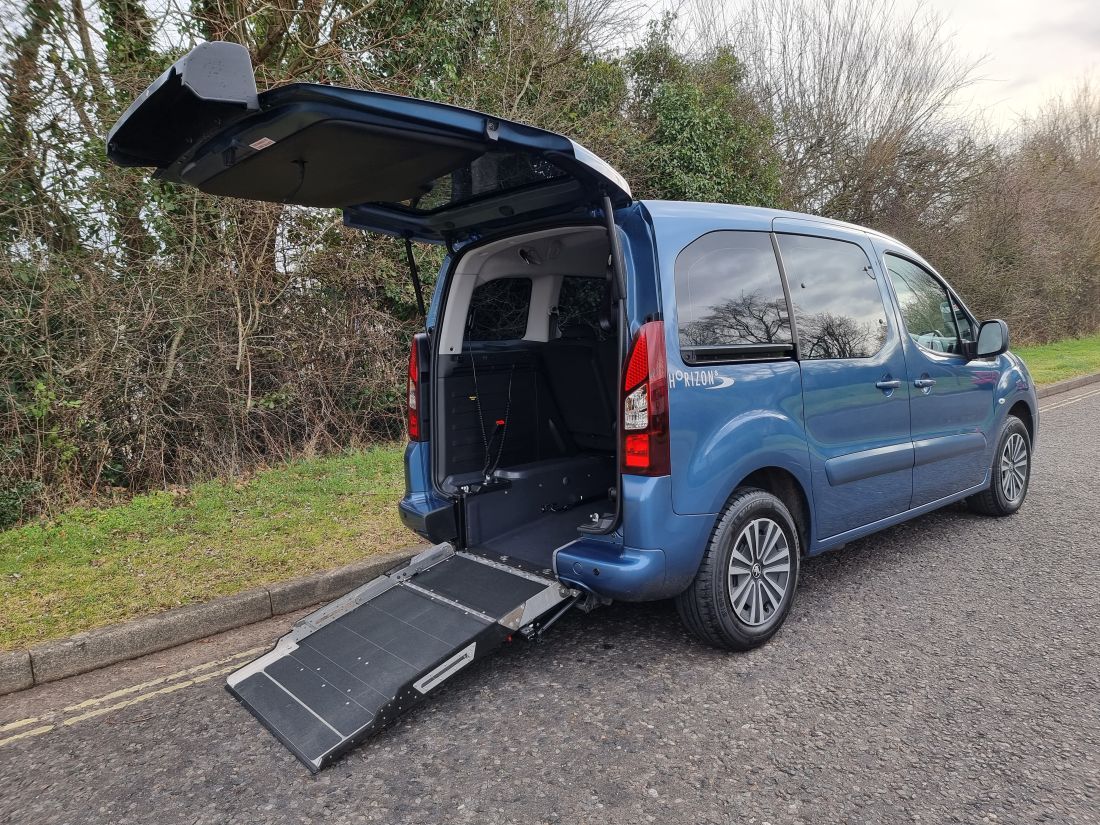
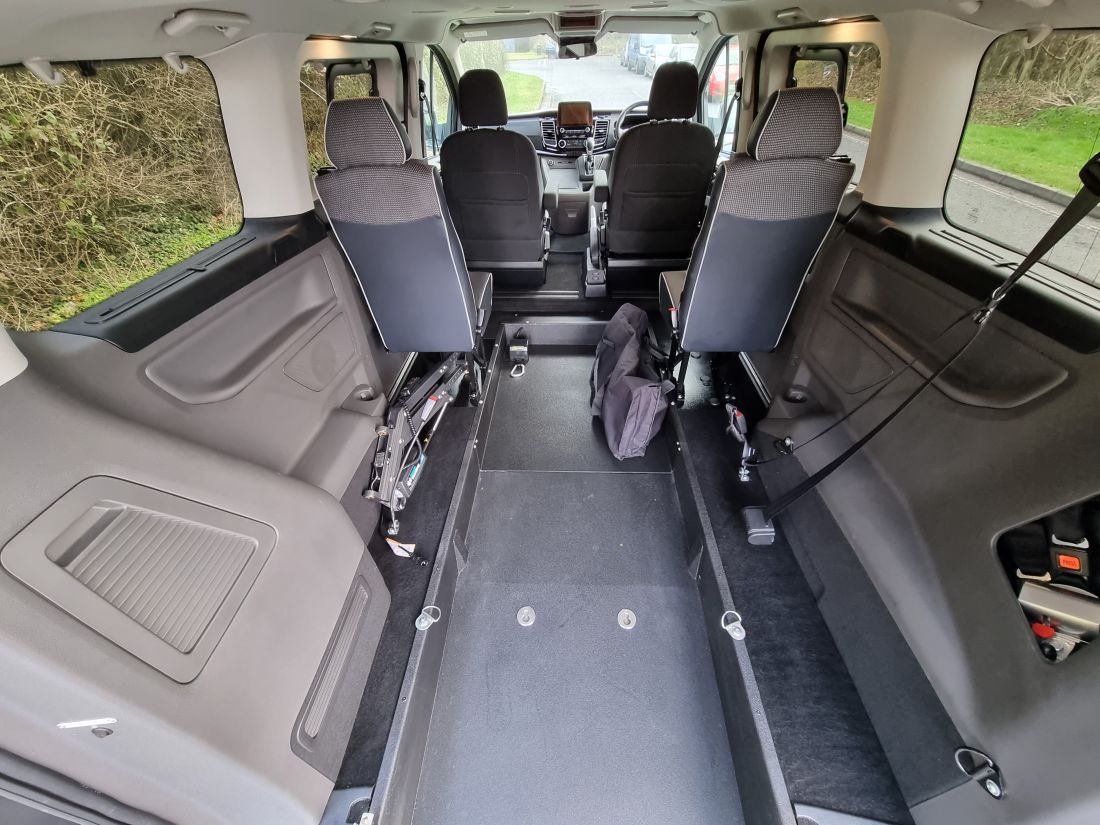
There are also many different seating options, so it's important that you think carefully about what you would use your WAV for before buying one. The most common seating arrangement is the ‘Passenger WAV’, where the wheelchair user travels as a passenger in the rear of the vehicle. Other types of WAV include the ‘Up-Front Passenger WAV’, where the wheelchair user sits next to the driver, and the ‘Drive-From Wheelchair WAV’ which has been specially adapted so that wheelchair user can access and drive the vehicle without leaving their chair.
Transporting A Mobility Scooter On The Road
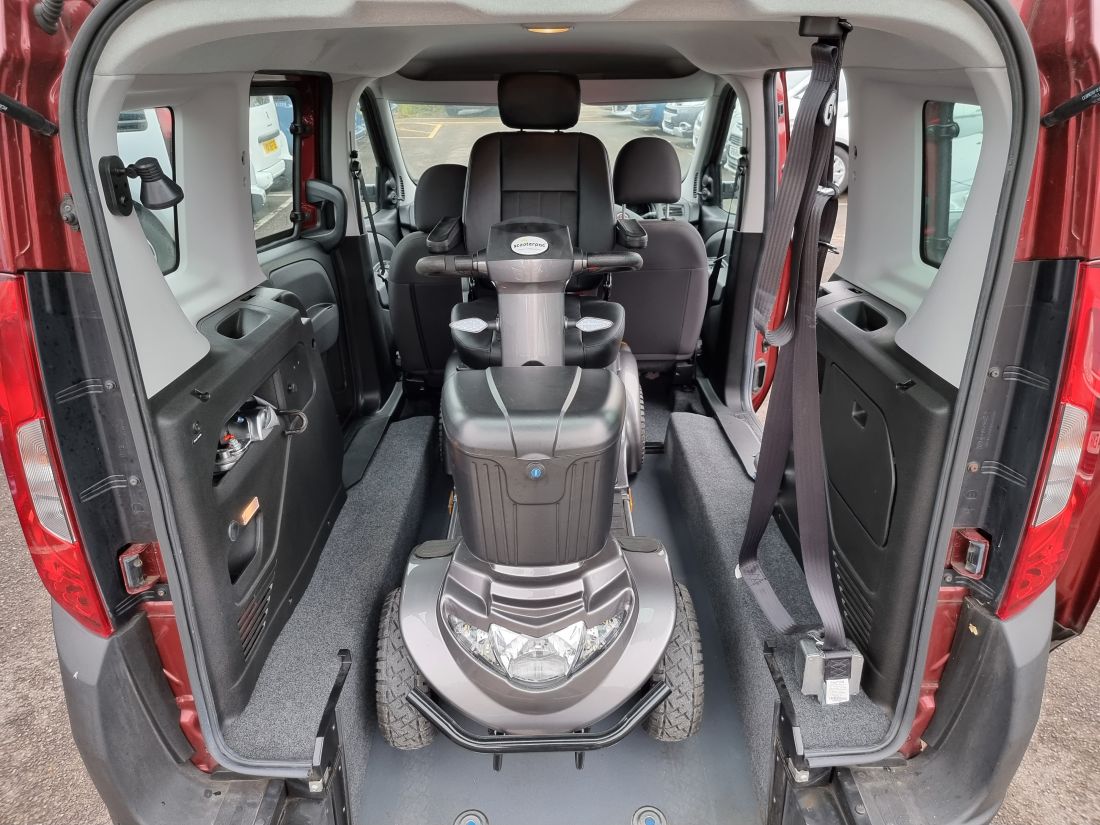
If you use a scooter to get around, smaller Class 2 or ‘lightweight’ mobility scooters can usually be quite easily transported by car. Some people fit a boot hoist to help them lift their scooter safely into the boot of their car, but increasingly more and more people, including those who use a larger Class 3 road-going scooter, are opting for a WAV instead.
The main benefit of using a WAV instead of a standard car is that you can simply guide, drive or (using a powered winch) pull the scooter straight into the back of the vehicle via a lightweight ramp, instead of having to dismantle it and then somehow lift it into the boot.
Car Adaptations Can Help You To Stay Mobile
There are many specialist adaptations that can be fitted to your existing (or a brand new) vehicle by specialist adaptation firms to help you drive or access a vehicle safely and comfortably.
Vehicle adaptations usually fall into 3 categories:
· Driving Adaptations – Adaptations to help you drive
· Stowage Adaptations – Adaptations to help you stow your wheelchair or scooter
· Access Adaptations – Adaptations to help you get in and out of the car
Adaptations like easy to grip steering wheel balls and left foot accelerators can make a vehicle easier to drive, while products including fitted transfer plates and grab handles can help drivers and passengers with limited mobility when getting into and out of a vehicle. Devices like lifts and hoists can help with the loading of mobility equipment, scooters, wheelchairs and powerchairs.
What are the Top 5 products most useful when you own a wheelchair accessible vehicle?
If you’re unsure about the kind of adaptations you might need, we recommend that you get in touch with a local adaptation firm or make an appointment to visit a local Driving Mobility assessment centre.
Getting older or having a mobility issue doesn't automatically mean that you shouldn’t be behind the wheel of a car. With regular monitoring of your driving ability, following the rules and perhaps using one or more driving aids, you’ll be able to stay safe while out on the road for many more years to come.
Browse some of our other articles:
- Ultimate Tyre Safety Guide
- If electric vehicles are the future for everybody - does that include wheelchair users?
- 12 Top tips for looking after your wheelchair accessible vehicle 2021
- Digital driving licences to be introduced
- Top tips for improving fuel efficiency
- Best apps for wheelchair users 2021
- Buying a used WAV
- Best accessible museums to visit in 2021
- Best accessible beaches to visit in 2021
- How to prevent your catalytic converter from being stolen